



Automated Customer Engagement: The Ultimate Guide to Working Smarter (2025)
In today’s fast-paced digital world, your customers expect instant, personalized attention. They want their questions answered now, their problems solved yesterday, and their needs anticipated before they even express them. As your business grows, this presents a monumental challenge: how do you keep up with these ever-increasing demands and maintain personal connections without burning out your team or sacrificing the quality of your service? Working smarter, not harder, is the solution.
This guide will explore Automated Customer Engagement (ACE), a transformative strategy that uses technology to deliver the right message to the right person at the right time, strengthening relationships and driving sustainable growth. Forget the old fears of robotic, impersonal interactions; it’s time to learn how automation can become your superpower for building a fiercely loyal customer base and creating a more efficient, intelligent, and responsive business.
What is Automated Customer Engagement, Really?
Before we dive into strategies and tools, it’s crucial to understand what we mean by Automated Customer Engagement (ACE). It’s a term that gets thrown around a lot, but its true power is often misunderstood.
Beyond the Buzzwords: A Simple Definition
At its core, Automated Customer Engagement is the strategic use of technology to manage and enhance the entire lifecycle of customer interactions across multiple channels. It’s not just about sending an automated email or using a simple chatbot. It’s a holistic approach that integrates every touchpoint—from the first ad a customer sees to their post-purchase support queries—into a single, intelligent system.
This system is designed to understand customer behavior, anticipate their needs, and deliver personalized, timely, and relevant communication automatically. Think of it as having a digital assistant for every customer, one that remembers their history, understands their context, and knows the perfect next step to guide them on their journey with your brand.
Human Touch vs. Automation: Finding the Perfect Balance
A common misconception is that automation is the enemy of the human touch. The reality is quite the opposite. The goal of a sophisticated ACE strategy isn’t to replace your talented team members but to empower them. By automating repetitive, time-consuming tasks, you free up your support, sales, and marketing teams to focus on what they do best: building genuine relationships, solving complex problems, and creating memorable experiences.
Effective automation handles the routine so your team can handle the remarkable. For example, an AVANSER AI Agent can be available 24/7 to answer common questions or qualify new leads, but it can also perform a seamless live transfer to a human agent the moment a query becomes too complex or requires a more empathetic touch. This blend of AI efficiency and human expertise is where the magic happens, ensuring customers get the best of both worlds.
Key Components: From AI Chatbots to CRM Workflows
A robust Automated Customer Engagement ecosystem is built on several key technological pillars. These components work in harmony to create a seamless flow of information and action.
- A Centralized CRM: This is the heart of your system. A Lead Management CRM acts as the central repository for all your contact, company, and opportunity data, providing a single source of truth for every customer interaction.
- Multi-Channel Communication: Your customers are everywhere, and your engagement strategy needs to be too. This means integrating channels like SMS, email, WhatsApp, voice calls, and social media into one unified inbox.
- Intelligent Workflow Automation: The brain of the operation is a powerful workflow builder. This allows you to design custom triggers and automated sequences for everything from lead nurturing and appointment reminders to task management and follow-ups.
- Data & Analytics: You can’t improve what you don’t measure. Deep analytics, including call tracking, sentiment analysis, and conversion attribution, provide the insights needed to understand what’s working and optimize your strategy continuously.

The Core Benefits: Why Your Business Needs Automated Customer Engagement Now
Implementing a comprehensive ACE strategy isn’t just a nice-to-have; it’s a competitive necessity that delivers a tangible return on investment. By automating intelligently, you can unlock significant advantages that impact every facet of your business.
Boost Efficiency and Save Valuable Time
Think about how much time your team spends on manual, repetitive tasks: sending follow-up emails, scheduling appointments, answering the same five questions over and over. Each of these tasks, while small on its own, adds up to hundreds of hours of lost productivity over a year. Automation eliminates this. With tools like automated appointment scheduling, complete with confirmations and reminders, you can drastically reduce no-shows and administrative overhead. Workflow sequences can automatically follow up with missed leads, ensuring no opportunity ever falls through the cracks. This reclaimed time allows your team to focus on high-value activities that directly contribute to revenue and customer satisfaction.
How to Personalize Customer Communication at Scale
Nowadays, personalization is expected rather than a luxury. Customers expect you to know who they are, what they’ve purchased, and what they need. Doing this manually for thousands of customers is impossible. This is where automation shines. By integrating your CRM with your communication tools, you can leverage rich customer data to create hyper-personalized experiences.
For example, you can use a workflow builder to create drip campaigns that nurture leads with content tailored to their specific interests or pain points. AVANSER’s platform even allows for data enrichment, mapping call metadata, campaign sources, and AI-powered sentiment analysis directly to a customer’s profile. This means when a customer calls, your team—or even your AI agent—has a complete history at their fingertips, enabling a truly personalized and context-aware conversation.
Improve Customer Retention and Lifetime Value (CLV)
Acquiring a new customer is anywhere from five to 25 times more expensive than retaining an existing one. An ACE strategy is one of the most powerful tools you have for improving retention. By monitoring customer interactions and using AI sentiment analysis, you can proactively identify customers who may be unhappy or at risk of churning and trigger automated workflows to re-engage them.
Furthermore, by ensuring timely follow-ups, providing 24/7 support through AI Agents, and personalizing the entire customer journey, you create a superior customer experience that fosters loyalty. A happy, loyal customer is more likely to make repeat purchases, advocate for your brand, and have a significantly higher Customer Lifetime Value (CLV).
Provide 24/7 Proactive Support to Your Customers
Your business may close at 5 PM, but your customers’ needs don’t. The expectation for instant support is a round-the-clock reality. AVANSER AI Agents allow you to offer 24/7 availability, answering questions, scheduling appointments, and even qualifying leads while your team is offline. This not only improves customer satisfaction but also ensures you capture every potential lead, no matter when they reach out. Advanced features like AI-driven call routing can dynamically analyze a caller’s intent in real-time and direct them to the best possible resource—whether it’s a specific department, a qualified agent, or the AI itself—providing a responsive and personalized experience for every single caller.
5 Proven Strategies for Automated Engagement Success
Having the correct tools is just half the battle. You need a well-defined plan if you want to succeed. Here are five proven approaches to building a powerful and effective Automated Customer Engagement engine.
1. Master Customer Segmentation for Targeted Messaging
Sending the same message to every single customer is a recipe for failure. The key to effective communication is relevance, and the key to relevance is segmentation. Before you build any workflow, start by segmenting your audience into meaningful groups based on demographics, purchase history, website behavior, or engagement level. A well-defined segmentation strategy allows you to create highly targeted and personalized campaigns that resonate with each specific group, dramatically increasing your open rates, click-through rates, and conversions.
2. Map the Entire Customer Journey from Start to Finish
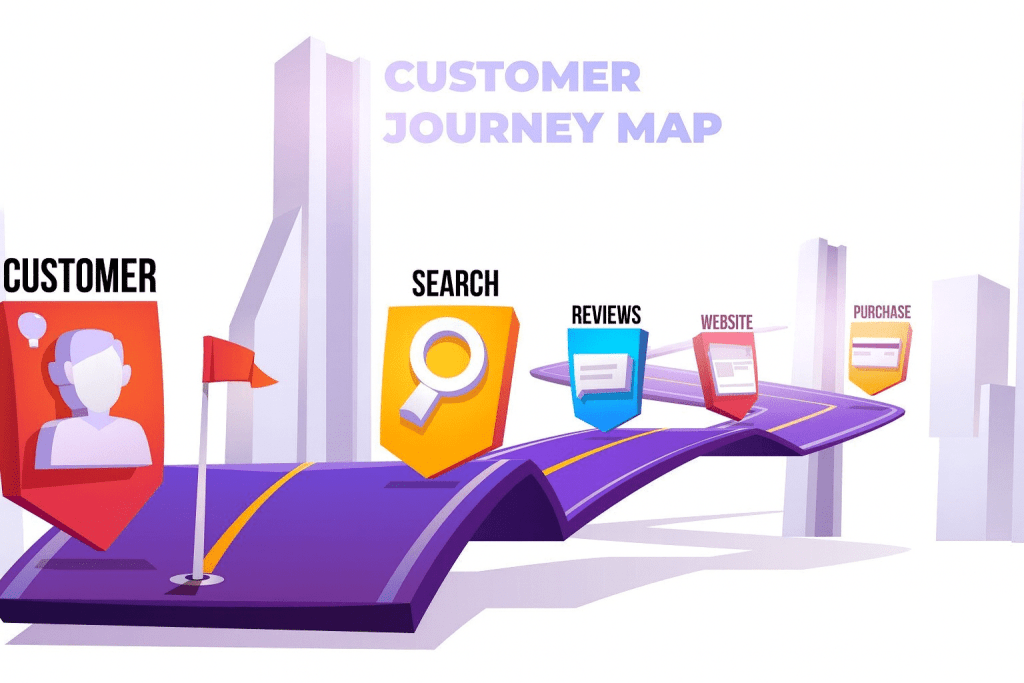
You cannot automate a journey you don’t understand. Take the time to map out every single touchpoint a customer has with your brand, from the initial awareness stage (seeing a Google Ad) to the consideration stage (reading a blog post), the purchase, the onboarding, and long-term support. Visualizing this journey will reveal critical moments where automation can have the biggest impact. AVANSER’s comprehensive lifecycle tracking monitors every interaction, from the first ad click to the final sale, giving you a holistic view of the customer journey and enabling you to identify opportunities for automation and optimization.
3. Create Automated Onboarding Workflows for New Users
The first few days and weeks after a customer signs up or makes a purchase are the most critical period for building a long-term relationship. A smooth, welcoming onboarding experience can significantly reduce churn and increase product adoption. Create an automated onboarding sequence that includes:
- A welcome email that confirms their purchase and sets expectations.
- A series of educational emails or SMS messages that highlight key features and benefits.
- A check-in message after a week to ask for feedback or offer help.
- An invitation to a webinar or a link to your knowledge base for further learning.
This proactive approach ensures new customers feel supported and are set up for success from day one.
4. Use Drip Campaigns to Nurture Leads and Educate Users
Not every lead is ready to buy immediately. Drip campaigns are automated sequences of emails or messages sent over a period of time, designed to nurture these leads by providing value and building trust. Use a workflow builder to create campaigns that are triggered by specific actions, such as downloading an ebook or filling out a contact form. The content should be educational and helpful, gradually guiding the prospect through the sales funnel. This same principle can be used for existing customers to educate them about new features or best practices, increasing engagement and preventing churn.
5. Gather Automated Feedback to Continuously Improve
How do you know if your customers are happy? Ask them. But don’t wait for them to complain. Implement automated workflows that proactively request feedback at key moments in the customer journey. For example, you can send an automated SMS or email with a link to a review platform like Google a day after a support ticket is closed or a product is delivered. AVANSER’s reputation management tools make it easy to collect this feedback and respond to reviews across multiple platforms, helping you enhance your brand reputation and gather invaluable insights for improving your products and services.
The Best Automated Customer Engagement Platforms & Tools
The market is flooded with tools promising to solve your engagement challenges. The key is to find a platform that can act as a central hub, integrating all your disparate systems into one cohesive engine.
All-in-One Solutions: HubSpot vs. Salesforce
For many businesses, the journey into automation begins with a powerful CRM. Platforms like HubSpot and Salesforce are industry leaders, offering robust tools for managing customer relationships, sales pipelines, and marketing campaigns. They are excellent foundations for any engagement strategy. However, their true power is unlocked when they are integrated with specialised communication and analytics tools. An effective ACE platform shouldn’t seek to replace these CRMs but to enhance them. AVANSER, for example, offers seamless integrations with leading platforms like Salesforce, HubSpot, Zoho, and more, allowing you to automatically push all calls, SMS, and form entries directly into the CRM you already use.
For Proactive Support: Intercom vs. Zendesk
When it comes to proactive support and live chat, tools like Intercom and Zendesk are top contenders. They excel at providing in-the-moment support and building comprehensive knowledge bases. The challenge, however, is often connecting these digital interactions with other channels, particularly phone calls. This is where a platform like AVANSER provides a unique advantage by unifying all communication—SMS, calls, emails, and chats—into a single multi-channel inbox, giving your support team a complete, chronological view of every conversation, regardless of the channel it happened on.
Essential Integration Tools: The Power of AVANSER
The ultimate goal is to create a single, unified view of the customer. This requires a platform that specializes in integration and attribution. AVANSER is built to be the connective tissue for your entire tech stack. It not only integrates with your CRM and support tools but also with your advertising and analytics platforms.
With seamless integrations for Google Ads, Google Analytics 4, Meta Ads, and Microsoft campaigns, AVANSER ensures that every inbound call is tracked and attributed back to the specific keyword or ad that generated it. This dual attribution capability, connecting marketing spend directly to conversion outcomes, provides a level of insight that is simply unattainable when your tools operate in silos. For businesses that need even deeper customization, AVANSER provides full API and developer access, including RESTful APIs and real-time Webhooks, allowing for tailored integrations with any internal system.
Common Mistakes to Avoid When Implementing Automation
Embarking on your automation journey is exciting, but it’s not without its pitfalls. Being aware of these common mistakes can save you significant time, money, and customer goodwill.
Over-Automating and Losing the Human Element
The most common mistake is becoming overzealous with automation. Remember, the goal is to enhance, not eliminate, human connection. If a customer is getting stuck in an endless chatbot loop or can’t find a way to speak to a real person, your automation has failed. Always provide clear escalation paths for customers to reach a human agent. Use automation for efficiency and data gathering, but empower your team to step in when empathy and complex problem-solving are required.
Ignoring Your Data and Personalization Opportunities
The second mistake is “setting and forgetting” your automations without leveraging the rich data they collect. An effective ACE strategy is a living, breathing system that you must continuously optimize. Pay close attention to your analytics. Which emails have the highest open rates? At what point in your onboarding sequence do users drop off? Use these insights to A/B test your messaging, refine your workflows, and create more deeply personalized experiences. A platform with advanced reporting and custom dashboards is essential for this process.
Choosing the Wrong Tools for Your Business Goals
Finally, avoid choosing a patchwork of disconnected tools that don’t integrate well. A fragmented tech stack creates data silos, which are the enemy of a seamless customer experience. Before you invest in any new software, ensure it can integrate with your existing systems. The ideal solution is a central platform that can unify your data and workflows. For complex implementations, consider seeking expert guidance. AVANSER offers
AI & Automation Consulting services to help businesses identify the right workflows, develop custom solutions, and manage the strategic change required for a successful digital transformation.
Conclusion: The Future is Smart, Automated, and Customer-Centric
The landscape of customer expectations has fundamentally changed. Businesses that cling to manual, reactive, and one-size-fits-all communication methods will inevitably be left behind. The future of business growth is smart, efficient, and, above all, deeply customer-centric. By embracing a strategic approach to Automated Customer Engagement, you can do more than just keep up; you can get ahead.
You can transform your operations from a collection of siloed departments into a single, intelligent engine geared towards one purpose: delivering exceptional customer experiences. By automating the routine, you empower your team to handle the remarkable. By personalizing at scale, you make every customer feel seen and valued. And by leveraging deep analytics, you turn guesswork into a predictable science. This is the new standard for working smarter, and it’s the most reliable path to building a resilient, beloved, and successful brand.
Ready to transform your customer engagement strategy? Schedule a consultation with an AVANSER automation expert today and discover how our ACE platform can help you work smarter and achieve remarkable growth.
Frequently Asked Questions (FAQs)
1. What is the difference between marketing automation and automated customer engagement? Marketing automation typically focuses on top-of-funnel activities, such as lead generation, email campaigns, and nurturing prospects before they become customers. Automated Customer Engagement is a broader, more holistic strategy that covers the entire customer lifecycle. It includes marketing automation but also extends to sales processes, customer onboarding, proactive support, feedback collection, and retention efforts, unifying all these touchpoints into a single, continuous conversation.
2. How can a small business start with customer engagement automation on a budget? Starting doesn’t have to be expensive. Begin by identifying the single biggest bottleneck or most repetitive task in your current process. Is it appointment scheduling? Following up with new leads? Answering the same questions? Start with a tool that solves that one specific problem well. Many platforms offer tiered pricing, so you can start small and scale as you grow. The key is to focus on a solution that provides a quick return on investment by saving you time or capturing lost revenue.
3. What KPIs should I track to measure the success of my automation efforts? The KPIs you track should align with your business goals. Key metrics to monitor include Customer Satisfaction (CSAT) scores, Net Promoter Score (NPS), Customer Retention Rate, and Customer Lifetime Value (CLV). For specific workflows, you can track email open/click-through rates, chatbot resolution rates, appointment no-show rates, and conversion rates from your nurturing campaigns. A platform with custom analytics dashboards is crucial for tracking the metrics that matter most to your business.
4. Can automation really improve customer satisfaction (CSAT) scores? Absolutely. When implemented thoughtfully, automation can significantly boost CSAT scores. It provides customers with 24/7 access to information and support, leading to faster response and resolution times. It ensures no query is ever missed and that customers are routed to the most qualified person to handle their specific issue through advanced methods like skill-based or AI-driven routing. By handling simple queries instantly, automation frees up human agents to provide faster, more focused support for complex issues, leading to a better experience for everyone.